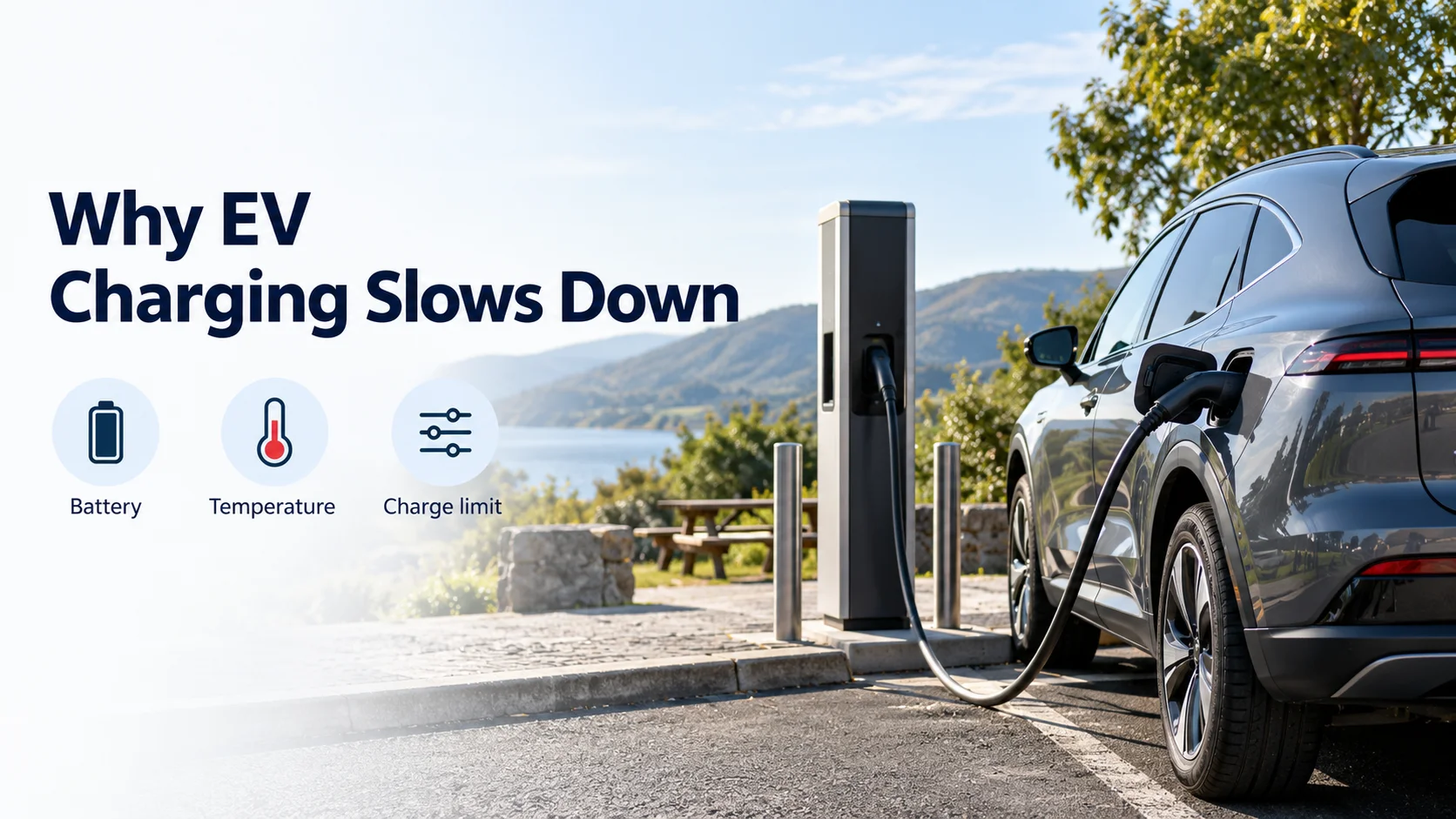
Most EVs slow charging as the battery approaches full to protect it, typically around 80%.
The point where charging begins to slow depends on the manufacturer and model.
Start with the charge level, then consider the charging equipment and battery temperature. For a completed session, check the vehicle’s charge-limit and completion guidance.
What does state of charge have to do with charging speed?
State of charge indicates how full an EV battery is.
The car’s battery management system decides how fast to charge to protect the battery.
The vehicle tells the charger the voltage and current it can accept.
The session maximum is limited by the lower capability of the car or charger.
Why does the final part of a fast charge take longer?
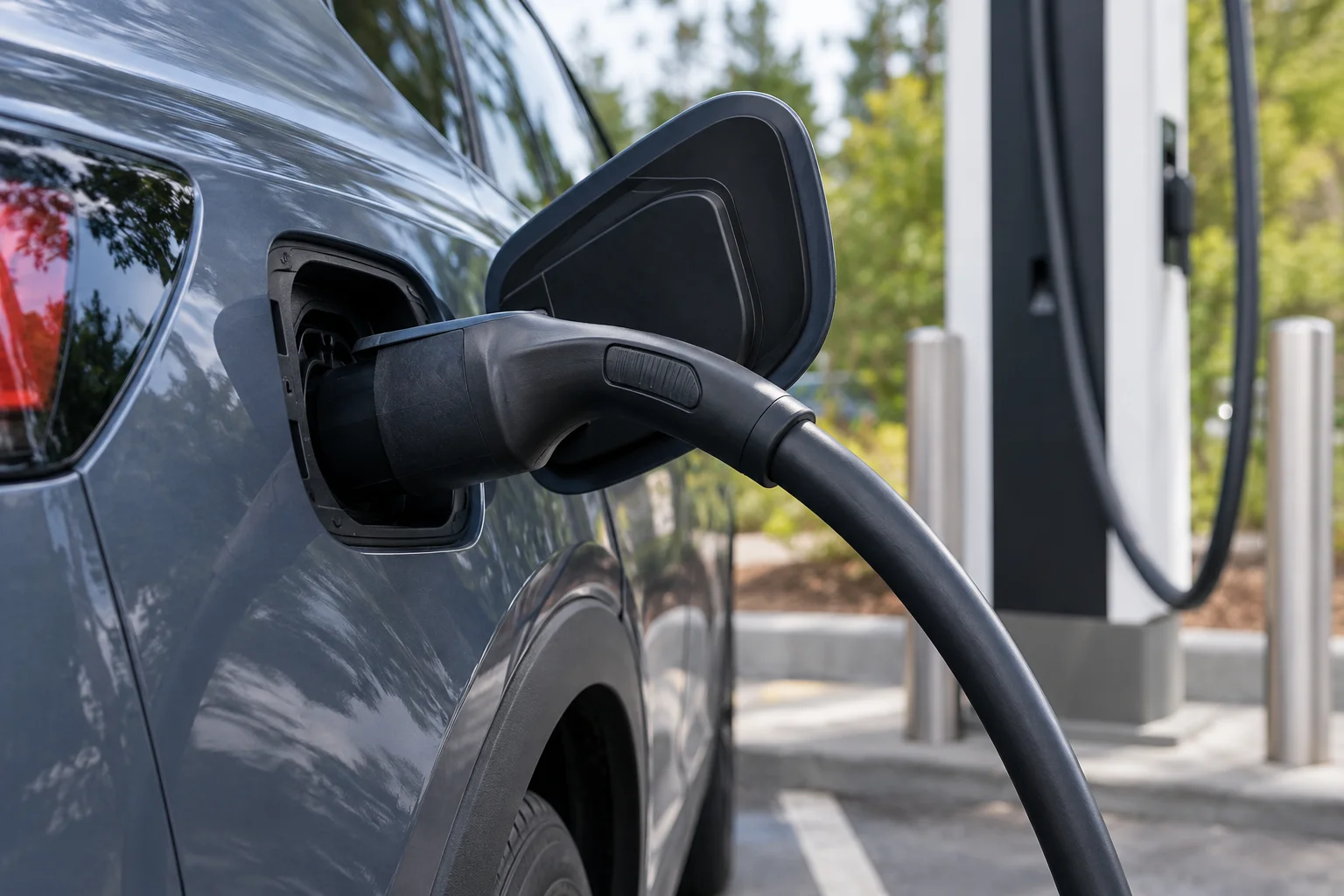
At around 80% SoC, EV charging power decreases to avoid exceeding voltage limits.
During DC fast charging, peak charging speeds do not usually last long.
During DC fast charging, the last 20% could take almost as long to charge as getting to 80%.
Before planning a stop around peak power, look at the charging curve for your vehicle and the charge level you want to reach.
Use the vehicle manual for an accurate charging curve.
What else should you check when charging is slow?
Work through the circumstances of the session:
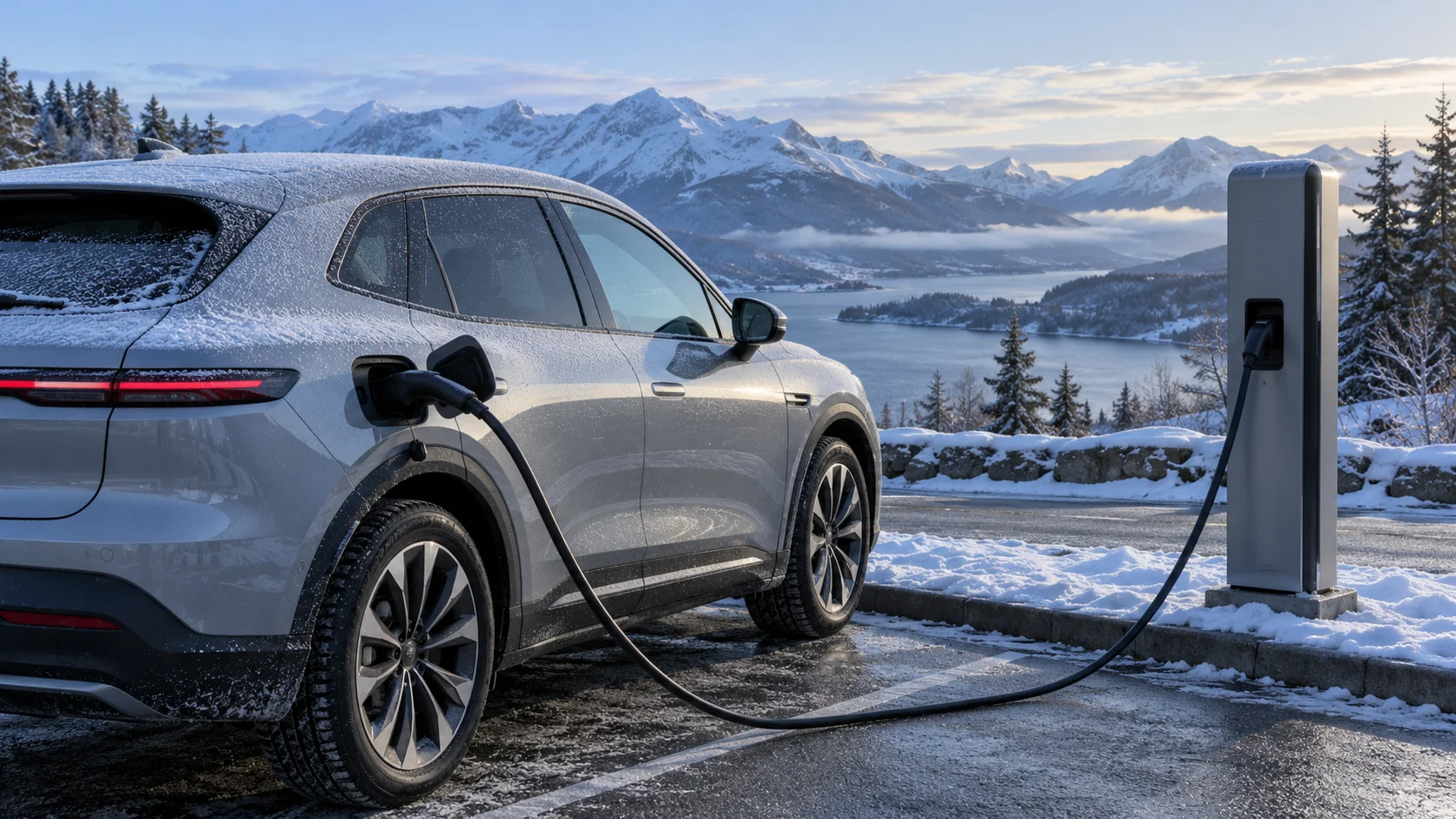
- Battery temperature: Charging may be slower when the battery is too hot or too cold.
- Heat during charging: The battery management system slows charging when the battery gets too hot.
- Station output: BMW charging guidance notes that charging-station output may not reach nominal values due to derating or infrastructure-related limitations.
For applicable BMW vehicles, include pre-conditioning in that check:
Battery temperature may limit charging power if pre-conditioning was not completed.
BMW’s charging guidance also highlights the starting charge level:
Very low (<10%) starting SoC may reduce maximum charge power.
Use these checks to frame the question: did charging slow as the battery filled, was it slow from the start, or did the session stop? Read the vehicle and station messages alongside the charge level.
What about home AC charging?
An onboard charger converts AC power to DC for the battery.
DC fast chargers convert AC to DC in the station and deliver DC directly to the battery.
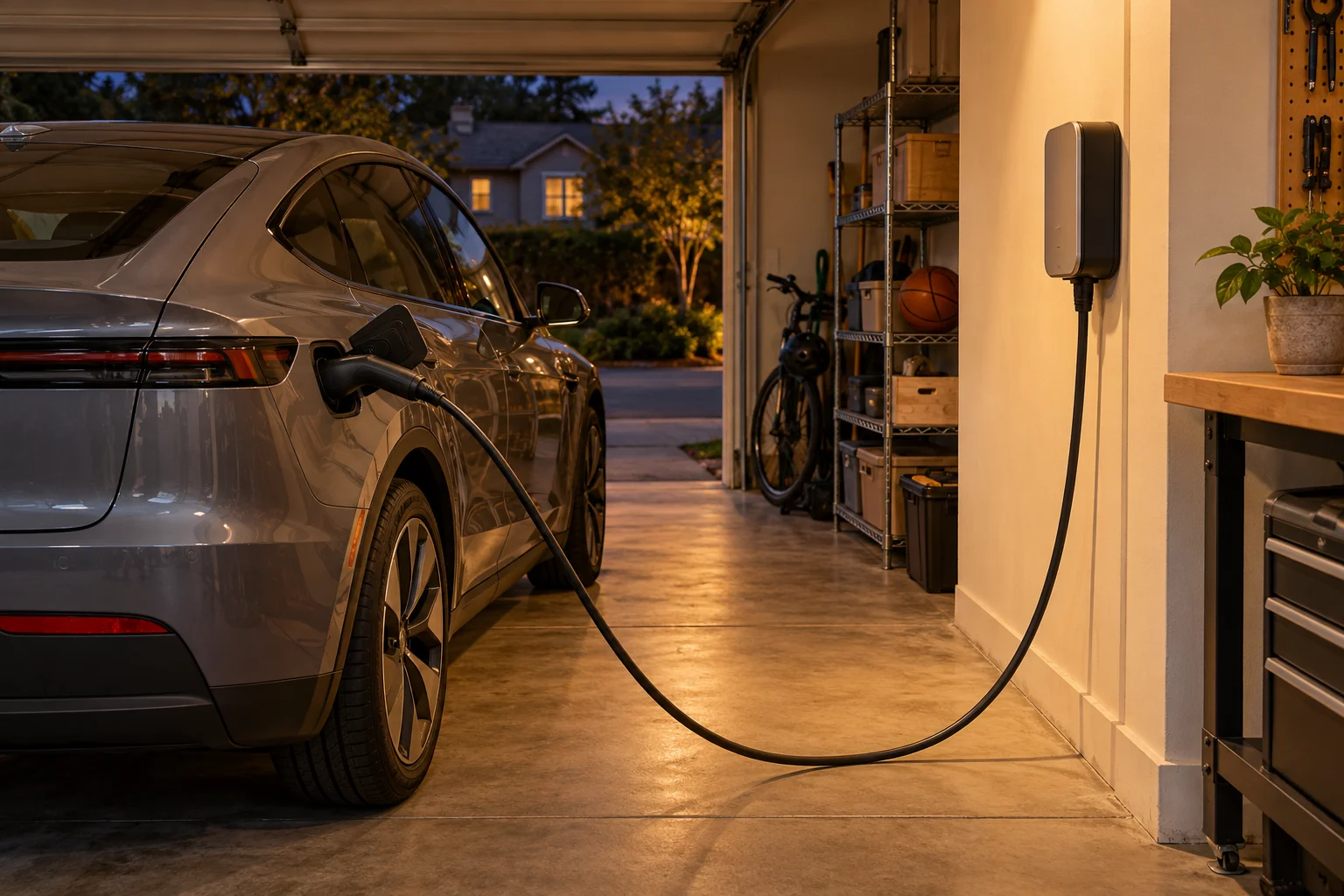
For home charging, check your vehicle’s instructions for its charging settings and completion display.
Do electric cars stop charging when full?
Charging stops automatically when the battery is full.
For the details of remaining plugged in, consider this vehicle-specific example:
When plugged in but not actively charging, Model 3 can draw energy from charging equipment.
In some low-energy-use cases, plugged-in Model 3 may draw energy directly from the battery.
For this model, distinguish the selected target, the completion display and later charging:
- Selected target: The chosen charge limit applies to immediate and scheduled charging sessions.
- Time remaining: The time-remaining display estimates time to the set charge limit.
- Full-charge display: When charging to 100%, the vehicle may continue low-power charging even when the display says complete.
- Later charging: Charging restarts to reach the limit after the battery discharges enough.
How do you distinguish completion from a fault?
For the same vehicle, use the charge-port indications:
A solid green charge-port light indicates charging is complete.
A red charge-port light indicates a detected fault and stopped charging.
Read the completion indication alongside the full-charge behavior above, and check the vehicle’s displayed alerts when a session stops.
Get the charging curve for your car
Find or request the official charging curve and charging instructions for your exact vehicle, battery variant and model year. Compare your session’s starting charge, target and temperature conditions with that guidance.
For the journey itself, plan your EV road-trip charging stops. Browse the Random Acts of Fusion blog for more motoring guides.
Sources
- EVgo — Why is the charge slowing down during my charging session?
- Electrify America — Congestion Reduction Effort
- ChargeNet — What is a charging curve?
- EVgo — Electric Vehicle Charging Guide
- Singapore Land Transport Authority — Electric Vehicle Guide for Drivers
- ChargePoint — When and how to use DC fast charging
- BMW — Charging Times (NHTSA hosted manufacturer bulletin)
- Opel Ireland — Charging and Range: Cables and Plugs
- Tesla — Model 3 Owner’s Manual, Charging Instructions, en_us